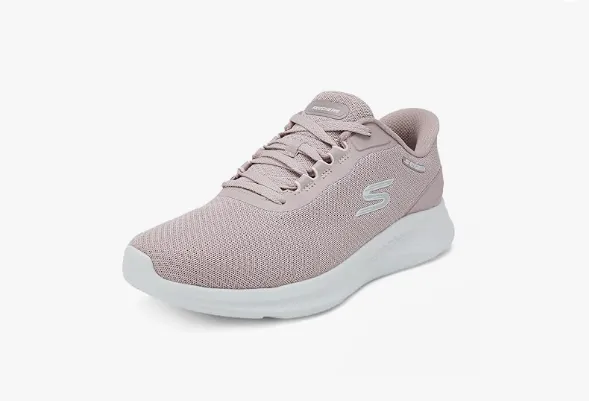
Picking the right pair of shoes sounds simple until you’re standing in an aisle staring at fifty boxes and none of them feel right. Your feet carry you through everything, work shifts, school runs, weekend errands, and honestly most people don’t think about footwear until something hurts. That’s usually too late. Comfort starts with knowing what your day actually looks like before you even touch a shoe. If you’re on your feet for long stretches, something like Skechers work shoes men wear on job sites or busy floors can make a bigger difference than people expect. It’s not about looking fancy. It’s about getting through the day without your feet screaming at you by 3 pm.
Why Fit Matters More Than Looks
A shoe that looks amazing but pinches your toes after twenty minutes is not a good shoe, no matter what the box says. Fit comes first, always. Feet swell a little during the day, so trying shoes on in the afternoon rather than first thing in the morning actually gives you a truer sense of how they’ll feel later. Width matters just as much as length too, something a lot of folks skip right over. Narrow shoes on wide feet cause blisters, numbness, weird calluses, all sorts of annoying stuff nobody wants to deal with. Spend the extra two minutes checking both length and width before deciding anything.
Matching Shoes to Your Daily Grind
Think about where your feet actually go each day. Standing behind a counter for eight hours is a completely different demand than walking a toddler around the park or hauling boxes in a warehouse. Cushioning needs shift depending on the surface too, concrete floors are brutal compared to carpet or grass. If your day involves a lot of standing still, arch support becomes the real hero. If you’re moving constantly, flexibility and grip take priority instead. There’s no single shoe that does everything perfectly, so matching the shoe to the actual routine saves a ton of foot pain later.
Work Shoes Built for Long Hours
For people working retail, healthcare, food service, or anything requiring hours on your feet, the shoe needs to handle repetitive movement without breaking down fast. This is where options like Skechers work shoes women wear on long shifts really shine, since they’re designed with slip resistance and cushioned soles meant for exactly this kind of grind. A good work shoe shouldn’t need a break-in period either. If it hurts on day one, it’ll probably keep hurting on day fifty. Look for shoes that feel supportive right out of the box, not ones you have to suffer through first.
Everyday Comfort Beyond the Job
Not every hour of your day is spent working though. Weekend errands, walking the dog, chasing kids, standing in the kitchen cooking dinner, all of this adds up too. A shoe that only performs well at work but falls apart everywhere else isn’t really doing its job. Look for versatility, something with a sole that absorbs shock decently and a design that doesn’t scream “work boot” the second you walk into a grocery store. Comfort should follow your home, not stay behind at the job site.
Materials That Actually Hold Up
Breathable materials matter more than people realise, especially in warmer climates or during summer months. Mesh uppers let air flow through, keeping feet cooler and reducing that gross sweaty feeling by midday. Leather and synthetic leather tend to last longer and handle wear and tear better, though they don’t breathe quite as well. Rubber soles with good tread grip floors properly, cutting down on slipping, which honestly matters a lot more than people think until they almost fall on a wet floor. Balancing durability with breathability is basically the whole game here.
Signs It’s Time for New Shoes
Shoes don’t last forever, even the good ones. Worn down treads, flattened cushioning, or aching feet after wearing shoes that used to feel fine are all signs the shoe has run its course. A lot of people push through worn-out shoes way longer than they should, which honestly just creates more foot and back problems down the road. Checking your shoes every few months, especially if you’re on your feet daily, helps catch this before it turns into actual pain. Replacing shoes on time is cheaper than dealing with foot problems later, simple as that.
Small Habits That Extend Shoe Life
Rotating between two pairs instead of wearing one pair every single day gives the cushioning time to bounce back between wears. Letting shoes air out overnight rather than stuffing them straight into a bag also helps them last longer. Cleaning them regularly, even just a quick wipe down, keeps materials from breaking down too fast. These are tiny habits, barely take any effort, but they genuinely stretch the life of a good pair of shoes by months sometimes.
Conclusion
Choosing the right shoes really comes down to understanding your own routine and picking footwear that actually supports it. Comfort, proper fit, and the right materials matter way more than trends or looks. Whether you’re working long shifts or just running errands all day, the right pair makes a noticeable difference in how your feet and body feel by evening. For more options built around real comfort and everyday wear, fitnshoes.com has plenty worth checking out.
